
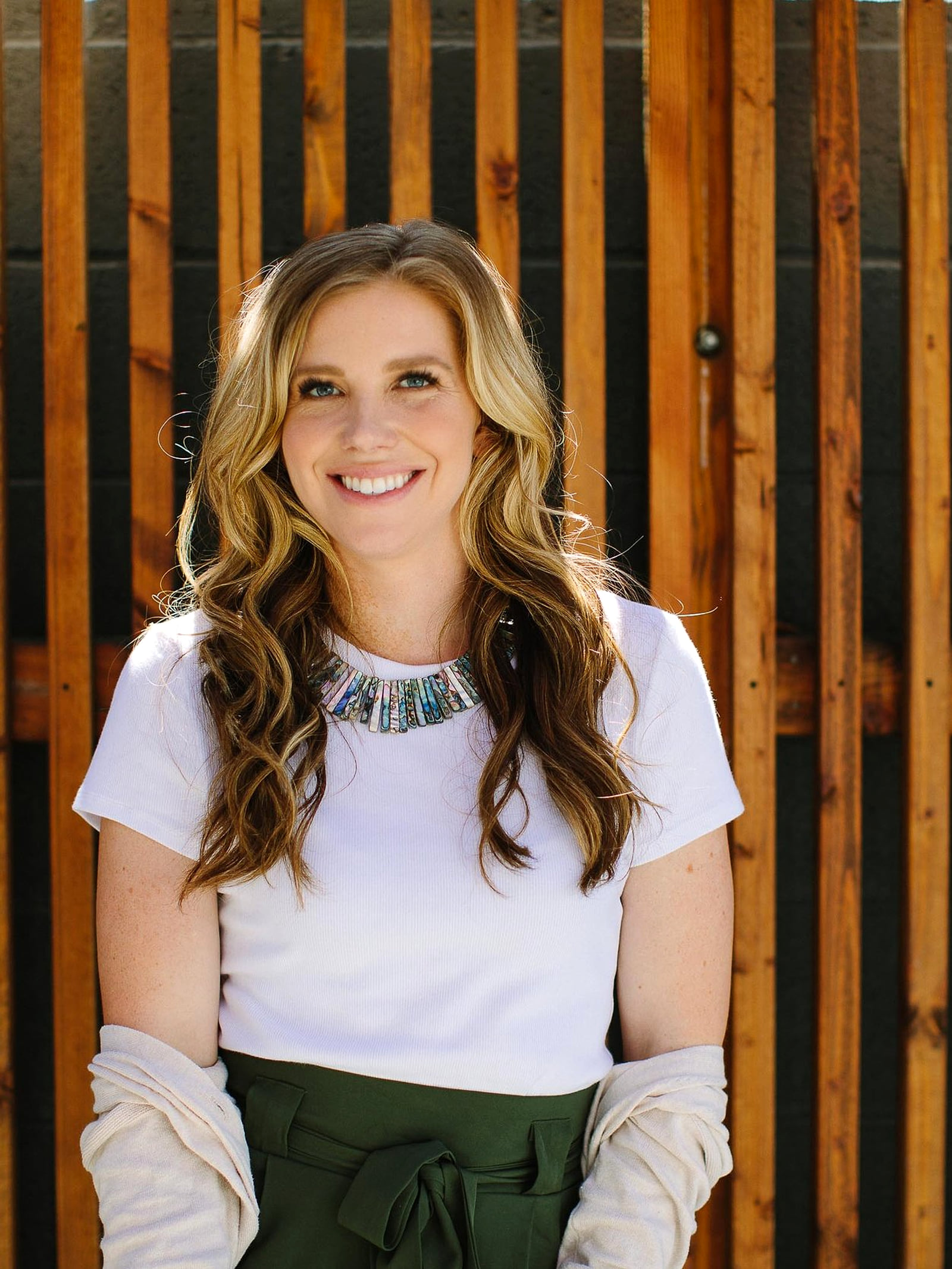
By Christina Mathieson, LMFT #115093, founder of My Mental Climb.
In the last few years, more high-profile public figures have spoken openly about using EMDR than at any point since the therapy was developed. Prince Harry has demonstrated EMDR techniques on camera. Sandra Bullock described it as "rewiring your synapses" after a stalking incident. Jameela Jamil credited it with helping her recover from severe PTSD. Whitney Cummings called it the therapy that "saved my life."
This kind of visibility matters, and it matters in specific ways that aren't always obvious. As a clinician who watches the cultural conversation about mental health closely, here's my read on what's actually going on, and what these stories reveal about where trauma treatment is going.
Why This Wave Is Different
Celebrity mental-health disclosure is not new. What's different about the EMDR wave is that the therapy itself is unfamiliar enough that the disclosures are doing real public-education work. When a celebrity says "I went to therapy," the public has a general idea of what that means. When they say "I did EMDR and it changed everything," most people don't have a frame for it, and they look it up.
That has produced a measurable shift. Search interest in EMDR has risen substantially in the last several years, much of it traceable to specific high-profile mentions. More people are coming into therapy already familiar with EMDR, often citing a celebrity account they read or watched. That's a path into trauma treatment that didn't exist five years ago.
What These Celebrity Stories Reveal Clinically
Reading the public accounts as a clinician, a few patterns stand out.
The trauma being treated is often not what the public assumed. Prince Harry's EMDR work has been about anxiety related to his mother's death decades ago. Sandra Bullock's was about an acute stalking incident. AnnaLynne McCord has discussed using EMDR to recall and integrate childhood abuse. Each of these is a different category of trauma, and EMDR is helping with all of them. This matches the clinical reality, that EMDR works across a wide range of trauma presentations, not just combat or single-incident PTSD.
The descriptions of the experience are remarkably consistent. Across very different celebrities and very different trauma histories, the descriptions echo each other: "intense but effective," "I could feel something shifting," "the memories don't have the same charge anymore." That consistency reflects something real about the EMDR mechanism, which is unusual to see across that many independent first-person reports.
They're emphasizing access, not just outcome. Several have specifically mentioned that EMDR didn't require them to retell their story in extensive detail. For trauma survivors who find the act of describing their trauma retraumatizing, this is a real distinction from talk-only approaches, and it lowers the threshold for entering treatment.
Why This Matters Beyond Celebrity Culture
The celebrity-endorsement layer is sometimes dismissed as superficial, but its effects on access are real. When Jameela Jamil discusses EMDR alongside her account of a suicide attempt and recovery, the audience that hears her includes people who would never have read a clinical paper on EMDR. When Prince Harry walks through a partial session on camera, viewers who would have refused to look at a written description of bilateral stimulation see what it actually looks like in practice.
Mental health treatment has always been gatekept partly by unfamiliarity. People don't try things they can't picture. The visibility of EMDR is reducing that barrier substantially, and clinicians like me have benefited directly: clients arrive with a baseline understanding of what EMDR is and a clear sense that it's something they want to try.
What These Stories Don't Tell You
A few important caveats for anyone considering EMDR based on a celebrity account:
Celebrity timelines aren't typical. Public accounts often emphasize quick, dramatic results. Real clinical EMDR for complex trauma usually takes longer than the highlight reel suggests, and that's not a failure. It's how the work actually unfolds.
Their access wasn't typical either. Most celebrities working with EMDR are doing so with highly experienced clinicians, often in intensive formats. The everyday experience of finding an EMDR therapist, getting on a schedule, and doing the work in 50-minute weekly increments is different. The mechanism is the same; the pacing isn't.
EMDR isn't a fit for everyone. It's an evidence-based, well-supported treatment for trauma, but for some clients other approaches like trauma-informed CBT, Internal Family Systems, or somatic experiencing are better fits or useful additions. A good first session sorts this out.
What Hollywood's Mental Health Shift Is Actually Doing
Beyond EMDR specifically, shows like Ted Lasso and Shrinking have done significant work normalizing therapy as something successful, functional, well-resourced people use. Public figures discussing their treatment without performing recovery has lowered the bar for ordinary people to consider it.
This shift has limits. The public conversation tends to overemphasize quick fixes and dramatic transformations, and to underemphasize the long, sometimes boring, frequently nonlinear work that real therapy involves. But on net, the cultural shift has helped more people start treatment than it's harmed.
Common Questions About Celebrity EMDR Coverage
Is EMDR really as fast as some celebrities have described?
For specific, single-event trauma, EMDR can be remarkably efficient (often 8 to 15 reprocessing sessions). For complex trauma, including childhood abuse or long-term IPV, the timeline is longer and includes a substantial stabilization phase. Celebrity accounts often emphasize the dramatic moments and skip the months of preparation and integration.
Why do celebrities seem to get such fast results?
Because they're typically working with highly experienced clinicians, often in intensive formats (multiple sessions per week or longer sessions), and have the resources to commit fully to the work. The mechanism is the same for everyone; the pacing depends on what's accessible.
Can EMDR really treat trauma without me having to talk about it in detail?
Largely yes. EMDR uses brief exposure to the memory while bilateral stimulation supports reprocessing; you're not asked to narrate the trauma in detail. This is one reason it tends to be more accessible for clients who have found talk therapy retraumatizing.
Is EMDR endorsed by the medical establishment?
Yes. The World Health Organization and the Department of Veterans Affairs recognize EMDR as a first-line trauma treatment. The American Psychological Association includes it in its clinical practice guideline for PTSD with a conditional recommendation. The evidence base is substantial.
Who on your team does EMDR?
Jalyse Stewart, AMFT #153712 (supervised by Christina Mathieson, LMFT #115093) is our EMDR clinician and trauma specialist. For clients in my sex-therapy or individual practice where EMDR would be the right fit, I refer in to Jalyse and we coordinate care.
If something in the celebrity coverage made you wonder whether EMDR might fit something you're working on, book a free 15-minute consult and we'll talk it through.
Related from My Mental Climb: EMDR therapy · EMDR vs CBT for trauma: which is right for you? · Free 15-minute consult
Tagged
Last clinically reviewed: by Christina Mathieson, LMFT #115093.