

For you, on your own terms
Individual therapy that's actually personalized.
Reviewed by Christina Mathieson, LMFT #115093 · June 2026
Anxiety, depression, identity, life transitions, relationship patterns, self-work. One-on-one therapy at the pace you need, with practical tools and deeper insight. Telehealth across California.
If this sounds like you
- Anxiety is dictating your calendar and your sleep
- Motivation, interest, or energy have dropped to a level that's interfering with your life
- You're working through identity (gender, sexuality, religious deconstruction, career pivot)
TL;DR
Individual therapy here is genuinely personalized. We don't run the same protocol with every client. Modalities are chosen with you (CBT, ACT, EMDR, IFS, somatic, psychodynamic) based on what you're working on. Sessions are 50 minutes weekly to start, with the same therapist throughout. Secure video across California.
Good fit if
- Anxiety is dictating your calendar and your sleep
- Motivation, interest, or energy have dropped to a level that's interfering with your life
- You're working through identity (gender, sexuality, religious deconstruction, career pivot)
- Relationship patterns repeat no matter who the partner is
- You're in a life transition (grief, divorce, parenthood, retirement) and want support
- You're high-functioning on the outside, depleted on the inside, and don't know how to bring it up
Not a fit if
- Active psychosis or severe dissociation without stable supports, we'll refer to a higher level of care
- Looking for medication management only, we don't prescribe; we can refer to a psychiatrist or psychiatric NP
Not sure which column you're in? Book a free consult. If we're not the right fit, we'll help you find someone who is.
What the work looks like
How we actually work together.
Individual therapy here means genuinely tailored. We don't run the same protocol with every client. In the first session, we'll ask what you're working on, what's tried, what you're hoping for, and what you want to avoid. From there, we choose modalities together: CBT for thought patterns, ACT for values-based behavior change, EMDR if trauma surfaces, somatic practices for the body, insight-oriented work for deeper patterns.
Cadence is usually weekly to start. Some clients shift to biweekly once the acute phase settles. We'll talk about duration at regular check-ins: some work is a shorter course of around 8 to 12 sessions, some goes deeper and longer, and either is valid.
Sessions are 50 minutes with the same therapist consistently, via secure video. You're not rotating through a clinic. (Not sure how to evaluate fit? Our piece on finding the right therapist, and warning signs to watch for is a useful starting point.)
Modalities we draw from
 What individual therapy actually is, and what makes it different from coaching or pastoral counseling
Individual therapy is a structured clinical relationship between a licensed mental health professional (or a supervised associate) and one client, focused on addressing emotional, behavioral, or relational concerns that interfere with daily life. It's regulated by the state, governed by formal ethics codes, and bound by confidentiality protections under California law and HIPAA. The American Psychological Association maintains practice guidelines that specify what counts as evidence-based psychotherapy, and most established approaches (CBT, ACT, IFS, EMDR, psychodynamic) have been studied in controlled trials with documented outcomes.
Therapy is not the same as coaching. Coaching is unregulated in most states (including California), tends to focus on performance and forward action, and doesn't require training in psychopathology, trauma, or differential diagnosis. Coaching can be genuinely useful for skill-building, productivity, or career navigation. It isn't equipped to work clinically with depression, anxiety disorders, trauma, or the deeper relational patterns that often sit underneath what looks like a 'goal' problem. We refer clients to coaches when coaching is the right fit, and we redirect to therapy when symptoms cross into territory that needs licensed care.
Therapy also differs from peer support and pastoral counseling. Peer support (12-step groups, NAMI, friendship) is invaluable but doesn't substitute for clinical treatment when symptoms meet diagnostic threshold. Pastoral counseling integrates faith and clinical conversation; it works best when the pastoral counselor is also a licensed clinician, or when therapy and pastoral support run in parallel rather than as substitutes.
What you're getting in individual therapy is structured time with someone trained in how the human nervous system, mind, and relationships actually interact. Sessions are 50 minutes, typically weekly to start, with a single therapist throughout. The work is collaborative, evidence-informed, and confidential. The framing matters because therapy gets described loosely in popular culture, and the difference between regulated clinical care and the unregulated alternatives shows up in what's actually possible to address.
What we treat in individual therapy
Individual therapy at our practice covers most adult mental health concerns that don't require a higher level of care. The most common reasons clients come in fall into a handful of clusters, and the modalities we use are matched to what's showing up rather than to a single house style.
Anxiety, including [high-functioning anxiety](/glossary/#high-functioning-anxiety) and generalized anxiety. Most clients walk in describing some version of the same internal experience: constant low-grade dread, mental rehearsal of what could go wrong, and using overpreparation or perfectionism to keep the worry tolerable. The work usually combines CBT for thought patterns, ACT for shifting your relationship to anxious thoughts, and somatic or mindfulness-based practices when anxiety lives strongly in the body. Michelle Cortez, AMFT #146795 (supervised by Christina) leads the team's anxiety and OCD work, using EFT-informed approaches and Exposure & Response Prevention (ERP) for the anxious-pattern layer specifically. For more on the specific high-functioning pattern, see our anxiety therapy page and the post on what high-functioning anxiety actually is.
Depression, low mood, and burnout. Depression therapy in our practice doesn't start with 'think positive.' We work with behavioral activation to get the body moving before mood catches up, CBT to interrupt self-critical patterns, and trauma-focused approaches when depression is rooted in unprocessed material rather than current circumstances. See depression therapy for the modality-specific details.
Trauma and PTSD, including [complex PTSD](/glossary/#complex-ptsd-c-ptsd). Our trauma work uses EMDR for memory reprocessing, IFS (Internal Family Systems) for the protective parts that formed around the trauma, and somatic practices for what's held in the body. Jalyse Stewart, AMFT #153712 (supervised by Christina) leads the team's trauma work; she's EMDR-trained, taught special education before becoming a therapist, and has particular experience with trauma for women, BIPOC clients, and the intersection of trauma with grief, anxiety, and neurodivergence. The trauma therapy page goes into the modality choices in depth. Most trauma work integrates several approaches rather than applying one manual.
Identity work, life transitions, and relationship patterns. Clients come in for gender or sexual identity exploration, religious deconstruction, career pivots, divorce, parenthood, retirement, and the relational patterns that repeat across partners until something deeper shifts. For sexual identity, gender, and relationship-structure work, Christina Mathieson, LMFT #115093 holds AAMFT LGBT-Affirmative Therapy certification and Comprehensive Sexology certification through the Buehler Institute, and Michelle Cortez, AMFT #146795 (supervised by Christina) works closely with ENM, polyamory, kink, and BDSM-affirming individual and couples work. For BIPOC clients and identity work that intersects with trauma or family-of-origin material, Jalyse Stewart, AMFT #153712 (supervised by Christina) is the team's lead, particularly for clients whose previous therapy spent most of the session explaining background before the presenting concern got any time. This is where individual therapy often does its most lasting work, because the patterns showing up in your relationships are usually older than the relationships themselves.
ADHD, neurodivergence, and the late-diagnosis grief that often comes with adult recognition. Christina Mathieson, LMFT #115093 holds advanced training in adult ADHD and alternative learners. We don't prescribe medication; when a release is signed and it would benefit the work, we can coordinate with your psychiatrist or psychiatric NP. See ADHD therapy for more.
What makes individual therapy work, and what we know after the first few sessions
The research on what predicts good therapy outcomes is reasonably clear: the therapeutic relationship matters more than the specific modality, your engagement with the work matters more than your insight at the start, and the early sessions tell you a lot about whether this particular pairing is going to move things. The American Psychological Association's research summary on psychotherapy effectiveness puts the therapeutic alliance as the single strongest non-technique factor across decades of outcome studies.
By the third or fourth session, most clients can tell whether the room feels right. Not whether everything has changed yet, but whether the therapist gets what you're working on, whether you're being met rather than analyzed at, and whether you can imagine doing harder work in the room than you've done so far. If the answer is no, that's useful information. We talk about it directly, and either adjust how we're working or refer you to a different clinician on our team or outside it.
How long therapy takes depends on what you're working on. Focused single-issue work (one anxiety pattern, one specific behavior change, one bounded life transition) is typically a course of around 8 to 15 sessions. Deeper work (complex trauma, long-standing relational patterns, identity reorganization) typically takes longer, sometimes a year or more, with the cadence often shifting from weekly to biweekly as the acute phase settles. We check in periodically about progress and are explicit about whether to continue, adjust, or plan a wrap-up. Therapy that runs forever without a sense of movement isn't doing its job.
What you bring matters. Clients who do well in therapy tend to share a few things in common: they show up consistently even when sessions feel useless, they let the therapist know when something didn't land, and they take small bits of the work outside the session into the rest of their week. None of that requires being articulate or insightful at the start; it just requires staying in the room when the work gets uncomfortable. That's most of the job.
Take-home handouts
Tools to practice between sessions.
Free, printable worksheets that pair with this work, the same material we use in the room.

Wondering if we're the right fit for what you're working on?
Free 15-minute call. We'll figure out together if we're the right starting point.
Book a Free ConsultWondering about cost? See what therapy costs in California.
Who on our team does this work
3 therapists who specialize here.
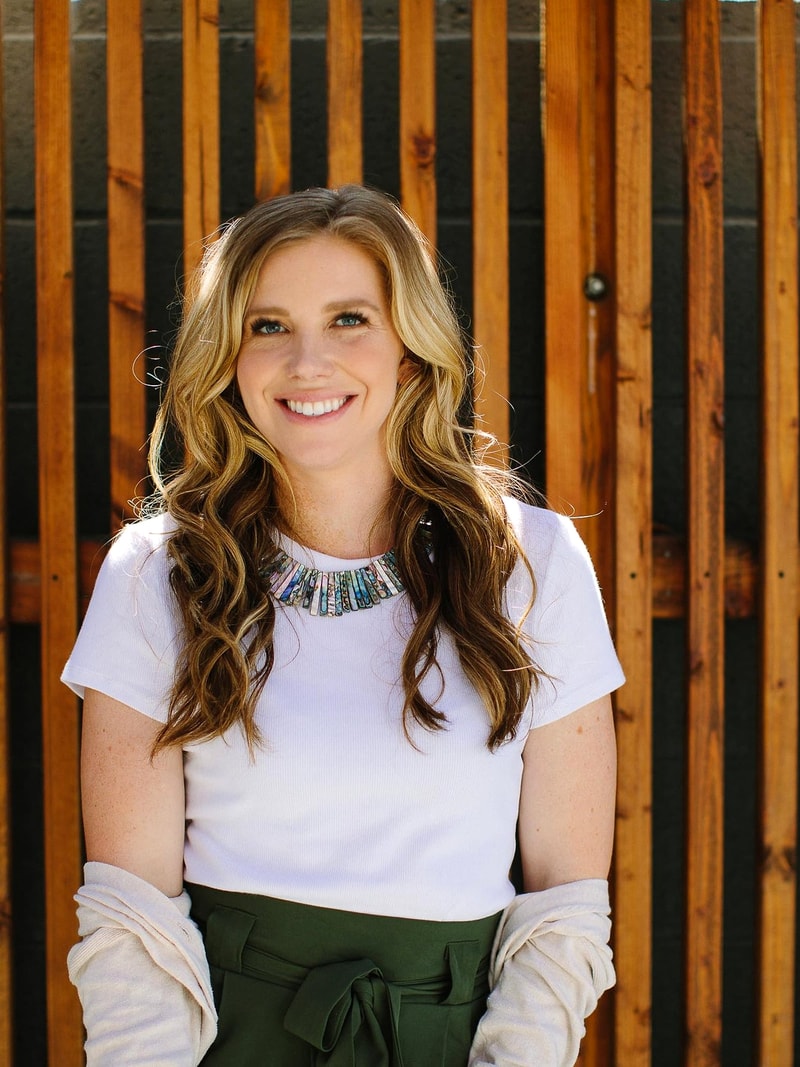
Christina Mathieson
Licensed Marriage and Family Therapist (LMFT) #115093
Human sexuality, couples work, ADHD and neurodiversity-affirming therapy, and affirming care for individuals navigating relationships, identity, and life transitions.

Michelle Cortez
Registered Associate Marriage and Family Therapist (AMFT) #146795
Supervised by Christina Mathieson, LMFT #115093
If therapy has felt too slow or too surface-level, that is exactly what I work against. Couples stuck in attachment patterns, anxiety and OCD, and neurodivergent clients who need structure and real feedback.

Jalyse Stewart
Registered Associate Marriage and Family Therapist (AMFT) #153712
Supervised by Christina Mathieson, LMFT #115093
Trauma-informed therapy for women healing from childhood sexual abuse, complex trauma, and what a lifetime of carrying other people's weight does to the nervous system. I also work with neurodivergent clients and trauma that intersects with grief, anxiety, or chronic overcompensation.
FAQ
Common questions about individual therapy.
How do I know which therapist on your team is right for me?
+
Book a free consult with anyone and we'll help you match. We refer internally often: the person you first talk to may not be the person you work with long-term, and that's by design.
Do you prescribe medication?
+
No. We're therapists, not prescribers. If medication is something you'd like to explore, we'll refer you to a psychiatrist or psychiatric nurse practitioner and coordinate alongside.
How long will I be in therapy?
+
Depends on what you're working on. Focused issues are typically a course of around 8 to 12 sessions; deeper or complex work takes longer. We'll check in regularly and are explicit about whether to continue, adjust, or plan to wrap up.
What if I'm not sure what to say?
+
You don't need to know. Showing up is the hard part. Your therapist will ask questions, and most clients find that starting to talk generates the next thread. Awkward silences are allowed.
References & further reading
- Wampold (2015), How important are the common factors in psychotherapy? An update, World Psychiatry, Peer-reviewed research
- Norcross & Lambert (2018), Psychotherapy relationships that work III, Psychotherapy, Peer-reviewed research
- Cuijpers et al. (2019), The effects of psychotherapies for depression on response, remission, reliable change, and deterioration: a meta-analysis, Acta Psychiatrica Scandinavica, Peer-reviewed research
- APA: Understanding psychotherapy and how it works, American Psychological Association
- NIMH: Psychotherapies, National Institute of Mental Health
- WHO, Mental disorders fact sheet, World Health Organization
- The Four Agreements by Don Miguel Ruiz, Don Miguel Ruiz
- Rising Strong, Brené Brown, Brené Brown
- Self-Compassion by Kristin Neff, PhD, Kristin Neff, PhD
- The Mindful Self-Compassion Workbook by Kristin Neff, PhD & Christopher Germer, PhD, Kristin Neff, PhD & Christopher Germer, PhD
- Learned Optimism by Martin Seligman, PhD, Martin Seligman, PhD
- how are you, really? by Jenna Kutcher, Jenna Kutcher
- Untamed by Glennon Doyle, Glennon Doyle
- The Whole-Brain Child by Daniel J. Siegel, MD & Tina Payne Bryson, PhD, Daniel J. Siegel, MD & Tina Payne Bryson, PhD
- We Can Do Hard Things (podcast) by Glennon Doyle, Glennon Doyle
- On Purpose with Jay Shetty (podcast), Jay Shetty
- Hidden Brain (podcast) by Shankar Vedantam, Hidden Brain Media
- I Thought It Was Just Me (But It Isn't), Brené Brown, Brené Brown
- Man's Search for Meaning by Viktor Frankl, Viktor Frankl
Last clinically reviewed: June 25, 2026 by Christina Mathieson, LMFT #115093.
Free monthly workshop
Underneath the Resentment: Attachment Wounds, Blame, and the Way Back to Each Other
Tuesday, July 28, 2026 · 6:00 PM PT · Zoom · Free
Ready to talk it through?
Free 15-minute call. We'll figure out if individual therapy is the right work for where you are, and match you with the right person on our team.
Book a Free Consult